

Summer Tour
The Summer Tour is a relaxed, non-competitive touring assembly organised by Pendle District Motor Club.
Open to a wide variety of road-legal cars, the event gives drivers and passengers the opportunity to enjoy a carefully planned route through some of the region’s most scenic roads, guided by a traditional tulip-diagram roadbook.
About the event
Unlike a rally, sprint or hillclimb, the Summer Tour is not a speed competition. Entrants are given a suggested route and sufficient time to complete it while remaining within normal traffic laws.
The event is designed to offer an enjoyable day of motoring rather than a test of outright speed. Crews can follow the organiser’s suggested route, visit checkpoints and enjoy planned refreshment stops along the way.
Recent editions have been supported by Dales Automotive and run under the name The Dales Automotive Summer Tour.

The route
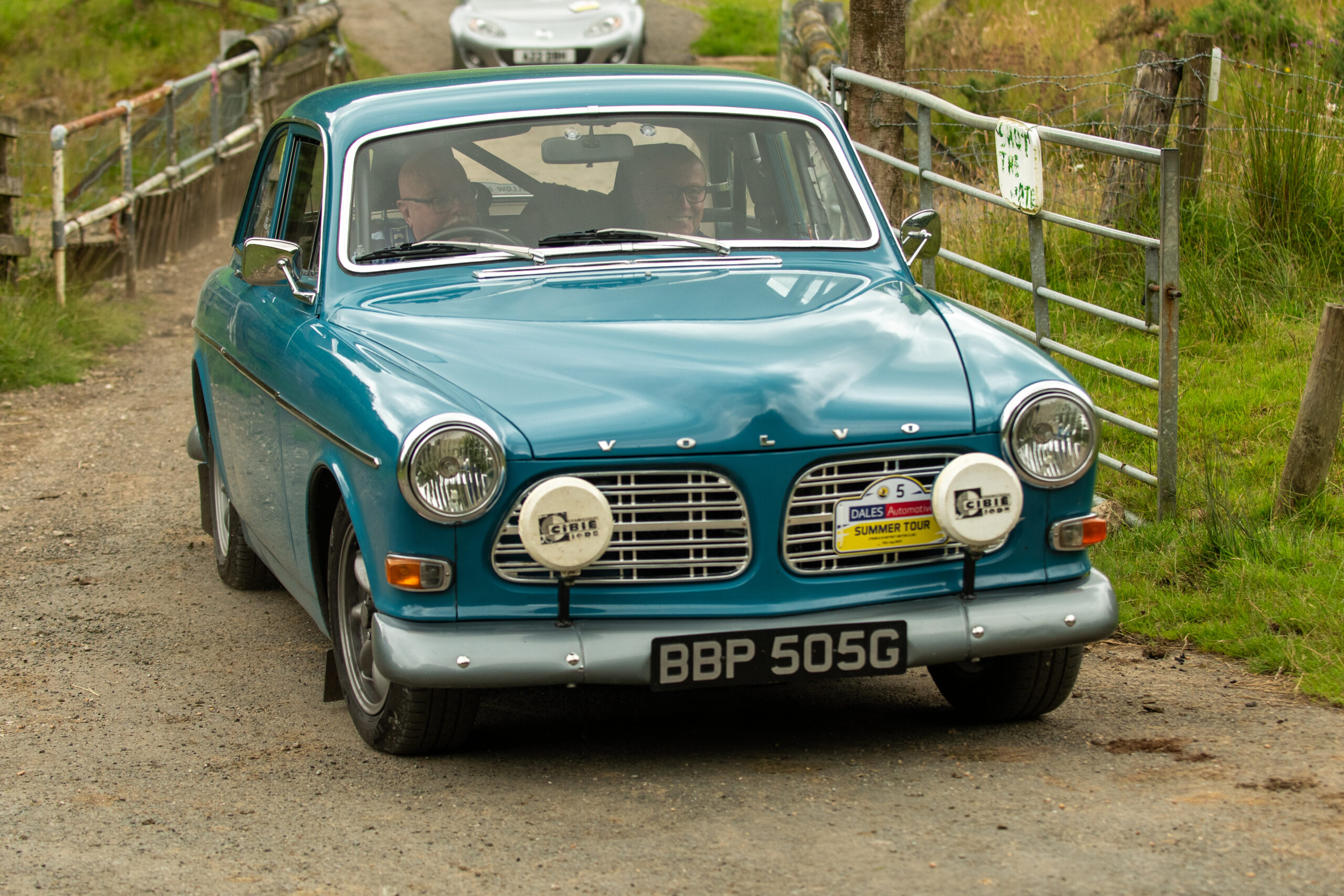
The Summer Tour follows a scenic route through the countryside surrounding Pendle and the Yorkshire Dales.
Recent events have covered approximately 160 miles, using a mixture of A, B and C roads. The route combines roads previously used by Pendle District Motor Club’s South Valley and Summer rallies with other scenic routes from across the local area.
Each crew receives a detailed roadbook containing:
- Tulip navigation diagrams
- Distances between instructions
- Checkpoint information
- Suggested timings
- Fuel and refreshment information
Crews are also encouraged to carry a current road atlas or the relevant Ordnance Survey maps in case they need additional help navigating the route.
Who can take part?
The Summer Tour is intended to be accessible to a broad range of motoring enthusiasts.
The supplied regulations state that:
- The event is open to all
- Drivers must be over 17
- Drivers must hold a full driving licence for the vehicle
- A Motorsport UK competition licence is not required
- Any road-legal car may take part
- Passengers may be carried where proper seating is available
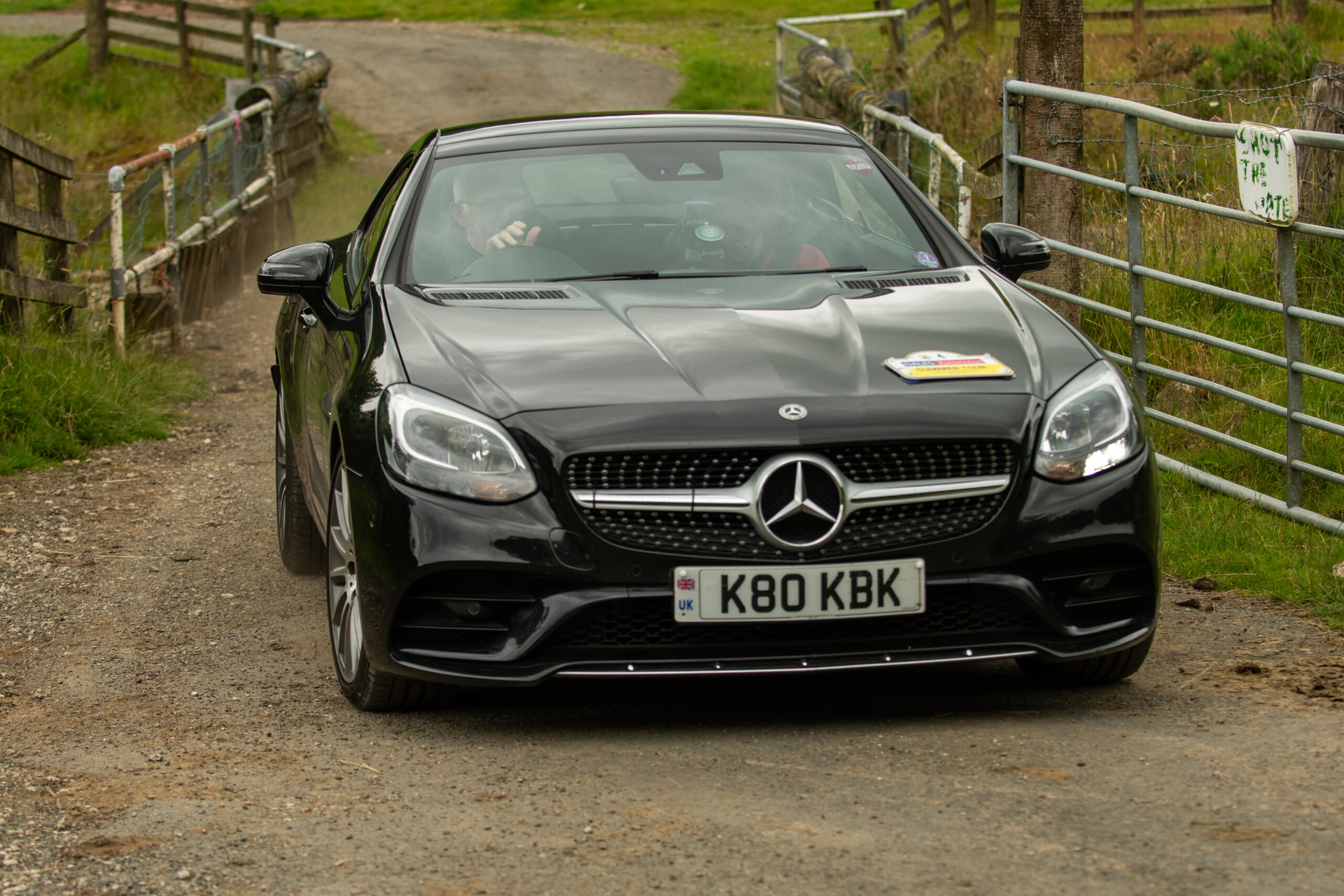
This makes the event suitable for classic cars, modern sports cars, family vehicles and other road-legal cars—not only purpose-built competition vehicles.
The exact eligibility and documentation requirements should still be checked in the regulations for the relevant year.

How the day works
The Summer Tour usually begins with signing-on, documentation and breakfast at the start venue.
Cars are then waved away individually at short intervals. Crews follow the roadbook through the morning route before stopping for lunch, then continue along the second leg and return to the finish venue for an evening meal.
The supplied regulations show that recent entry packages have included:
- Breakfast at the start
- A light lunch at the halfway halt
- A meal at the finish
- A detailed roadbook
- Final instructions
- A commemorative rally plate
Food, timings and venues may change each year, so the latest event post should always be checked before attending.
Entering the Summer Tour
Entries are normally completed online and accepted up to a published maximum number.
Entrants should check the latest Summer Tour update for:
- Event date
- Start and finish venue
- Entry opening and closing dates
- Entry fee
- Online entry form
- Passenger charges
- Food choices
- Final instructions
- Route information
- Contact details
Recent regulations limited the event to 50 entries, with places determined by receipt of the completed entry and payment when the maximum was exceeded.
Navigation and checkpoints
The route is issued in a traditional tulip-diagram roadbook, with each instruction showing the direction of travel and the distance to the next junction.
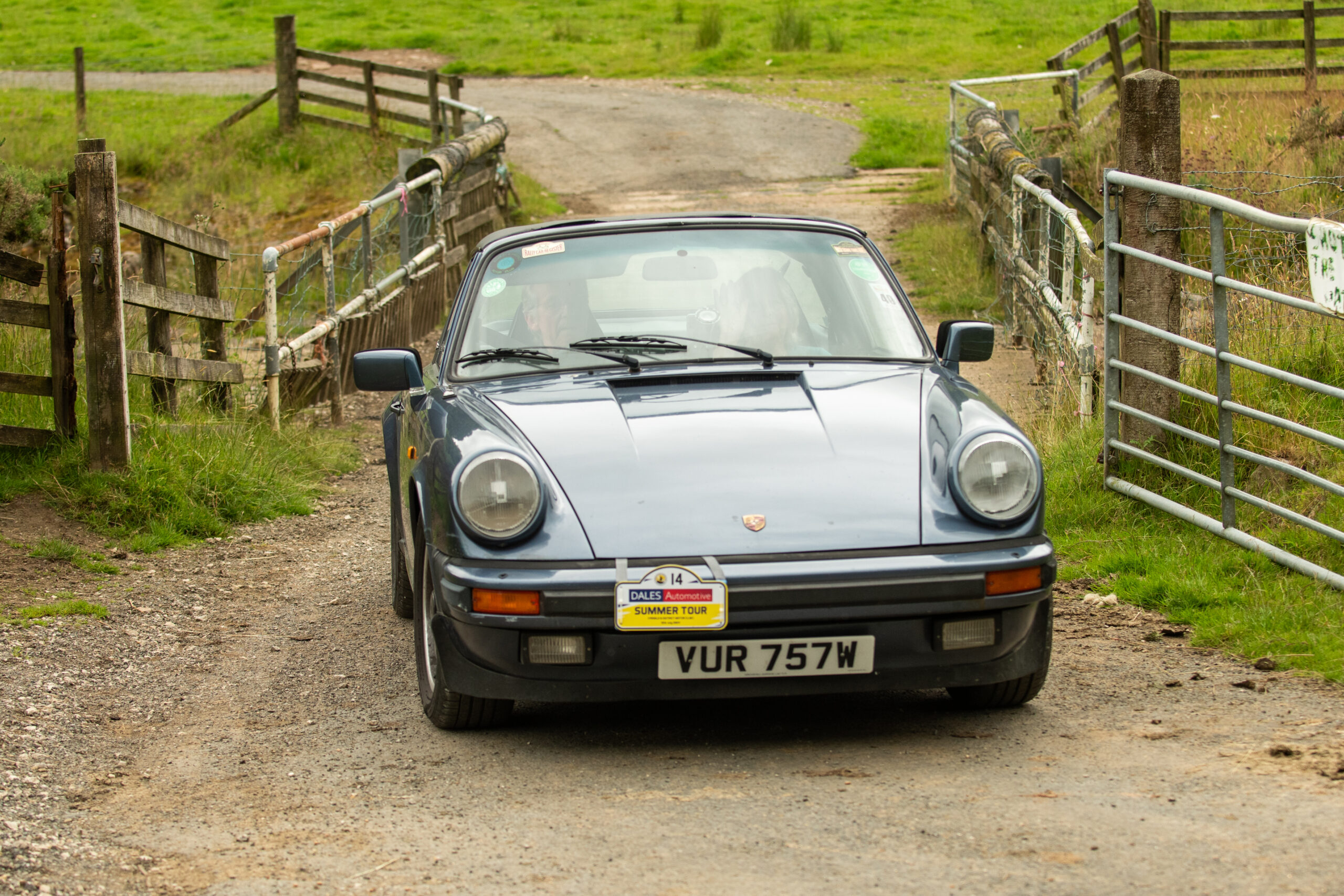
Manned and unmanned checkpoints may be positioned along the route. Crews record their visits using a checkpoint card, with officials signing the card at manned locations and code boards used at unmanned controls.
The emphasis is on accurate navigation, enjoying the route and completing the tour safely—not travelling at competitive speeds.
Vehicle and document requirements
Every entered vehicle must be roadworthy and legally entitled to use public roads.
Drivers may be required to produce:
- A valid driving licence
- A current MOT certificate, where applicable
- Valid insurance covering the vehicle
- Any other documentation requested in the final instructions
Vehicles found to be unroadworthy may not be permitted to start or continue.
